Cybersecurity in the Era of “Work from Home”
Nam sed est et nunc ullamcorper commodo vitae in risus. Suspendisse ac est eget mi fringilla accumsan.
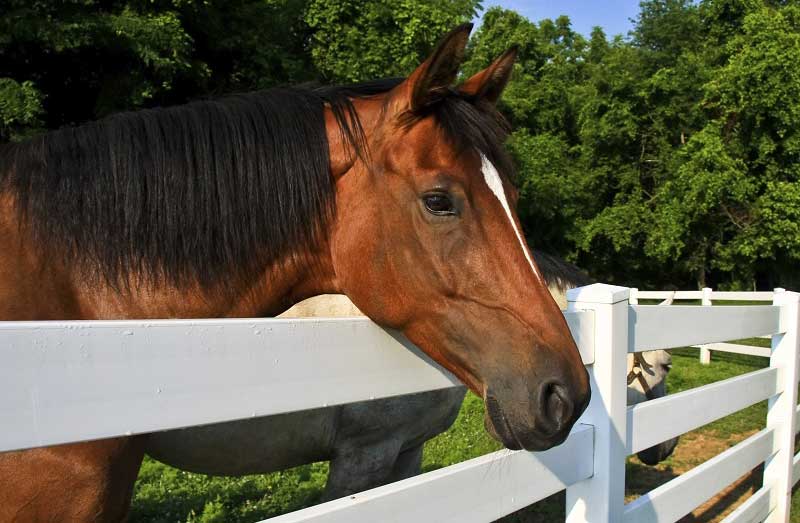
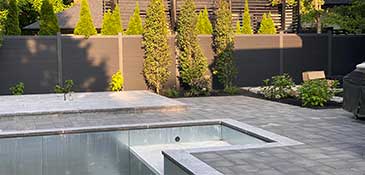
Engineered for durability, the Classic Composite Fence stands strong against harsh weather, moisture, and UV exposure.
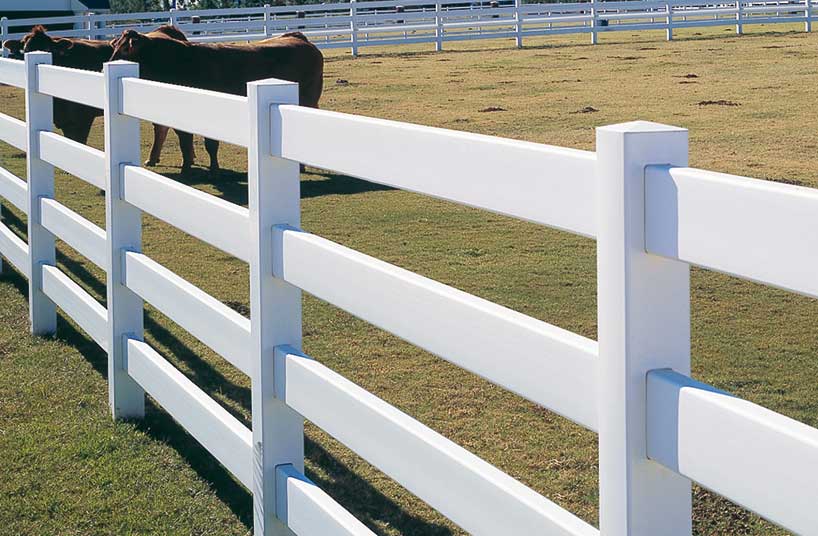
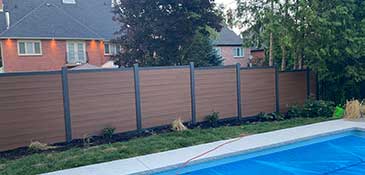
The Decorative Composite Fence is crafted for homeowners who want more than just a boundary—they want a statement.
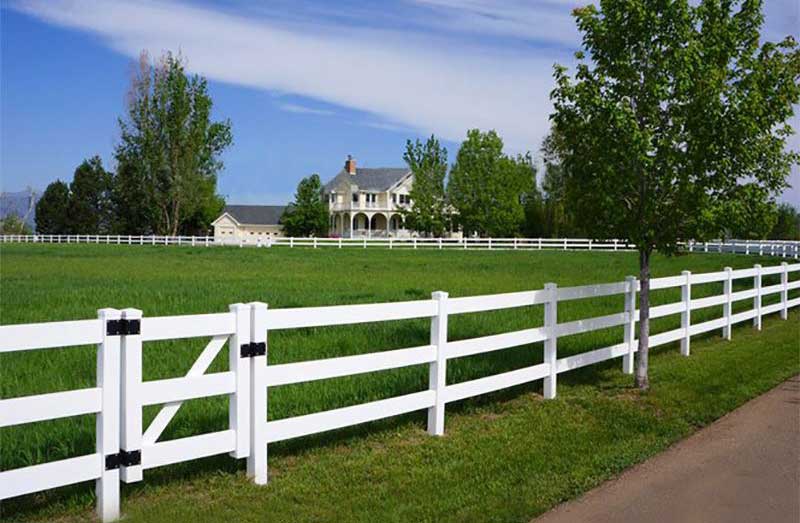
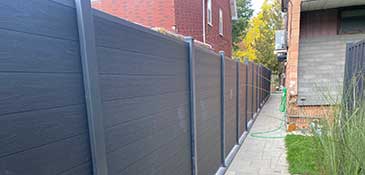
The Royal Composite Fence is designed for homeowners who expect elegance, presence, and distinction.
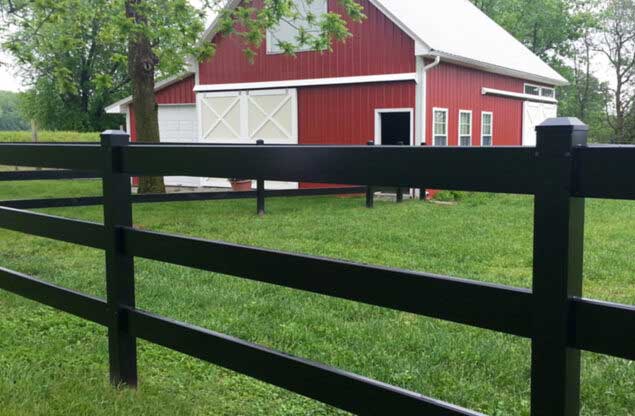
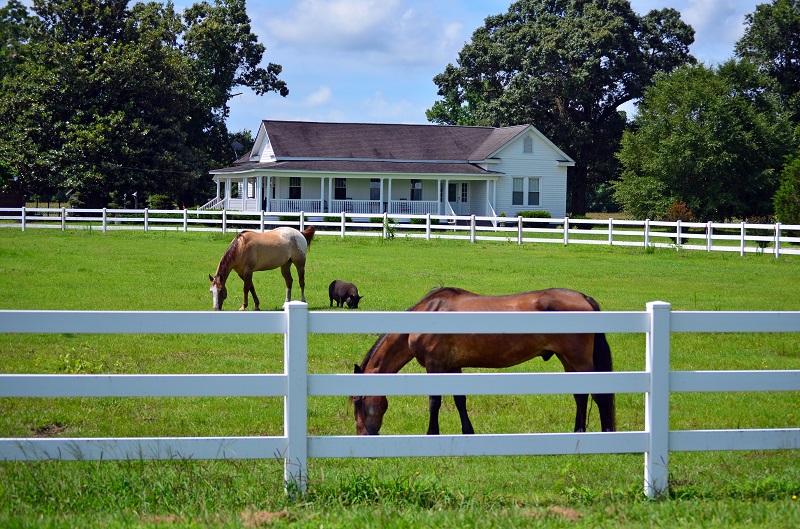
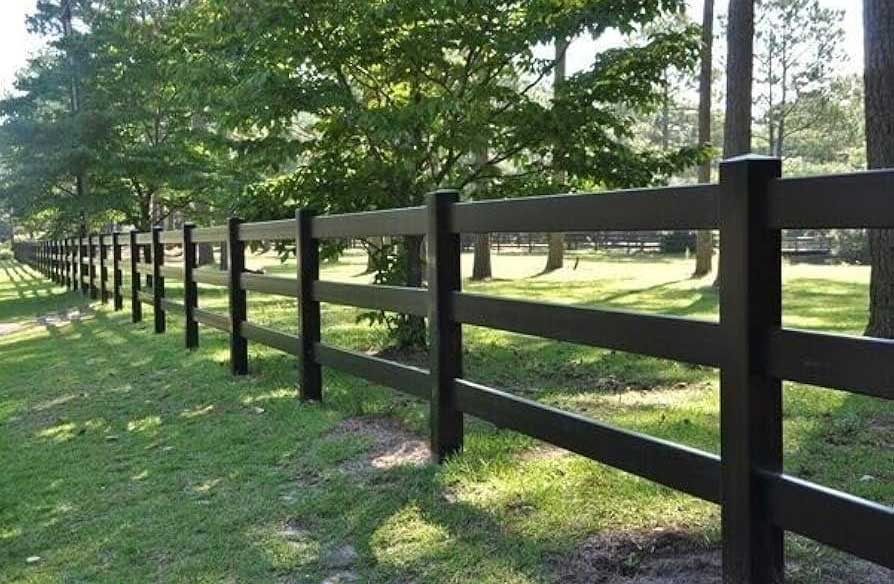
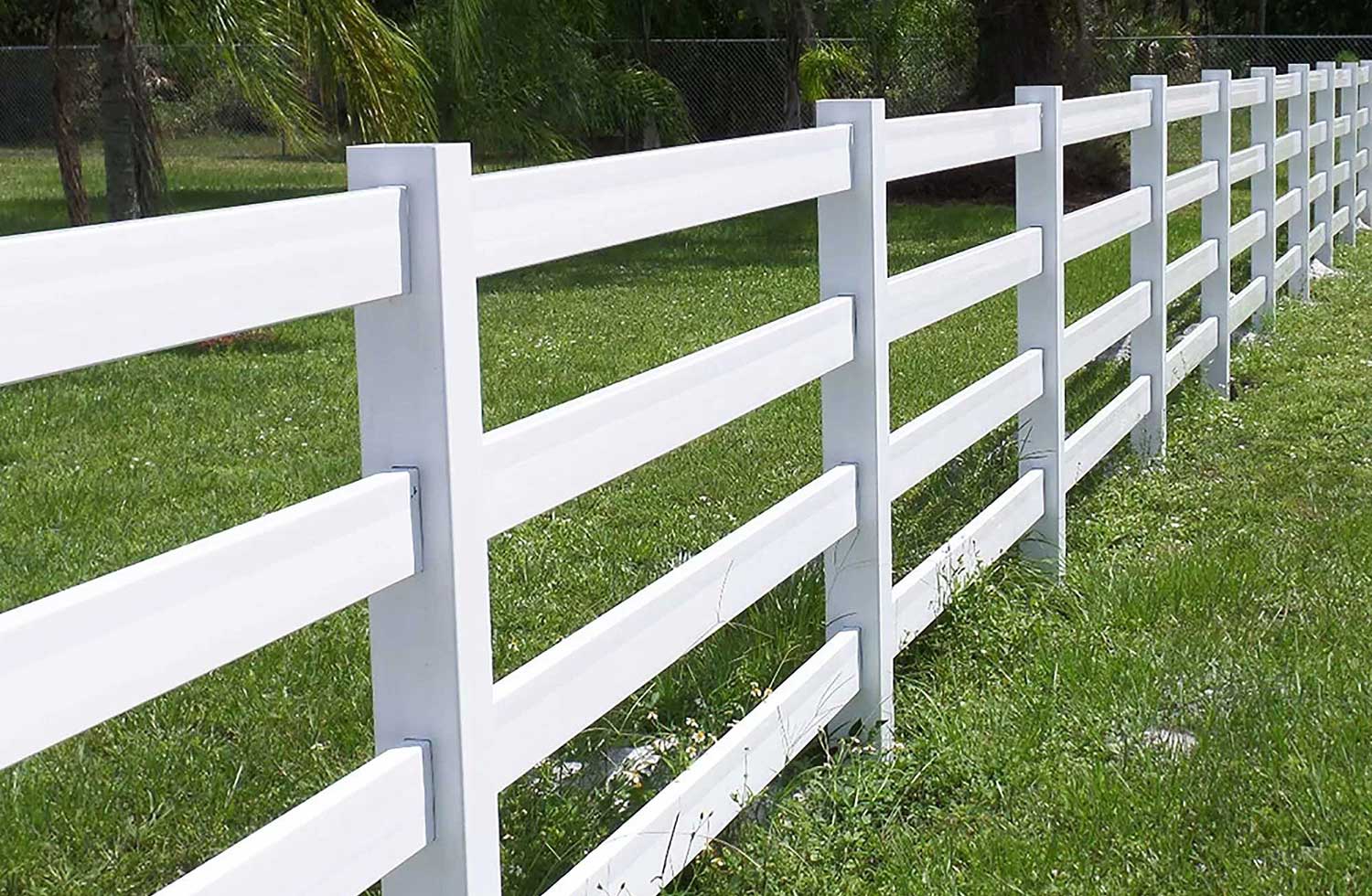
A well-designed Farm Fence does more than mark a boundary. It protects livestock, enhances property value, improves safety, and creates a professional appearance that reflects pride of ownership. Whether you manage a small hobby acreage or operate a large agricultural property, the right fencing system plays a central role in daily operations.
Because agricultural properties face constant exposure to weather, pressure from animals, and long-term wear, fencing must deliver durability without demanding endless maintenance. Therefore, property owners across Canada look for solutions that combine strength, visual appeal, and long service life. At Farm Fence we install in the Greater Toronto Area and ship all over Canada, ensuring rural and semi-rural properties receive reliable fencing built for Canadian conditions.
This in-depth guide explains materials, applications, installation benefits, maintenance advantages, and long-term performance. In addition, you will discover why choosing the correct fencing system makes a measurable difference for horses, livestock, and ranch properties.
Contact us and one of our agents will come to your place and provide you free estimate.
Choosing the right Farm Fence requires more than selecting posts and rails. Instead, it demands strategic planning, quality materials, and skilled installation. When fencing aligns with your property’s layout and livestock needs, daily management becomes easier and safer.
First, professional installation ensures proper post depth and alignment. Consequently, the structure resists frost heave and ground shifting. Second, carefully measured spacing prevents sagging or weak points. As a result, animals remain secure and the fence maintains a clean appearance for years.
Moreover, professional installers understand local soil conditions, wind exposure, and terrain challenges. Because of this expertise, they design systems that withstand Canadian winters, heavy snow loads, and seasonal moisture changes. Rather than reacting to repairs, owners enjoy long-term performance from the start.
Livestock safety stands as the primary purpose of agricultural fencing. Horses, cattle, and other animals require secure enclosures that prevent escape and injury. Strong rails and smooth finishes reduce the risk of cuts or splinters. Furthermore, properly spaced posts eliminate gaps where animals might push through.
Additionally, visible fencing improves animal behavior. Horses, for example, respect clear boundaries. Therefore, sturdy rail systems reduce stress and lower the chance of panic-related injuries.
Canadian weather challenges every outdoor structure. Snow accumulation, temperature fluctuations, and moisture create ongoing stress. However, modern fencing materials resist corrosion, warping, and cracking.
Every Farm Fence we build focuses on structural integrity. Because durability remains a priority, materials maintain strength through freeze-thaw cycles. As a result, owners avoid frequent replacements and costly repairs.
Traditional wood fencing demands staining, painting, and board replacement. In contrast, aluminum and vinyl systems require minimal upkeep. Owners simply rinse surfaces occasionally to maintain appearance.
Since these materials resist rust and rot, maintenance becomes straightforward. Consequently, property managers spend less time repairing and more time focusing on livestock care.
Well-installed fencing improves curb appeal and signals responsible land management. Prospective buyers appreciate secure enclosures and attractive boundaries. Investing in a premium Farm Fence increases resale potential and overall property desirability.
Different properties require tailored fencing solutions. Although design principles remain consistent, each application demands specific structural considerations.
Horses require fencing that balances strength with visibility. Because horses spook easily, they benefit from clearly defined boundaries. Wide rails create strong visual barriers, helping prevent collisions.
Furthermore, smooth surfaces protect sensitive skin. Unlike barbed or woven wire systems, rail fencing reduces injury risk. For this reason, horse owners often choose aluminum or vinyl rails.
Equine facilities need organized paddocks, training rings, and perimeter enclosures. Equine Fence systems must handle daily contact from active animals. Therefore, installers reinforce corners and gates to manage repeated stress.
Additionally, trainers value consistent fence height and alignment. Structured layouts improve movement patterns during training sessions. As a result, performance and safety both improve.
Large ranch properties require long fence runs across varied terrain. Ranch Fence systems often combine strength with cost efficiency for expansive areas.
Because ranch environments may include rolling land and open exposure, installers anchor posts deeply and reinforce high-pressure sections. Consequently, fencing withstands livestock leaning, wind gusts, and seasonal ground movement.
Selecting materials determines longevity, maintenance level, and overall aesthetics. Today’s property owners frequently choose between aluminum and vinyl systems.
When you compare materials, a Farm Fence made from aluminum stands out for structural performance. Aluminum resists corrosion naturally. Therefore, it performs exceptionally well in wet or snowy climates.
Unlike iron, aluminum does not rust. Because of this advantage, it maintains its clean appearance without repainting. Powder-coated finishes add additional protection while offering color customization.
Strength also remains a defining benefit. Although aluminum feels lightweight, engineered rails and posts handle significant pressure. Consequently, it suits both residential acreage and commercial agricultural operations.
Key Advantages of Aluminum:
Rust-resistant construction
Minimal maintenance requirements
Long lifespan
Sleek, professional appearance
Strong yet lightweight material
Moreover, aluminum systems install efficiently. Since components arrive prefabricated, crews assemble sections with precision. As a result, installation time decreases without sacrificing quality.
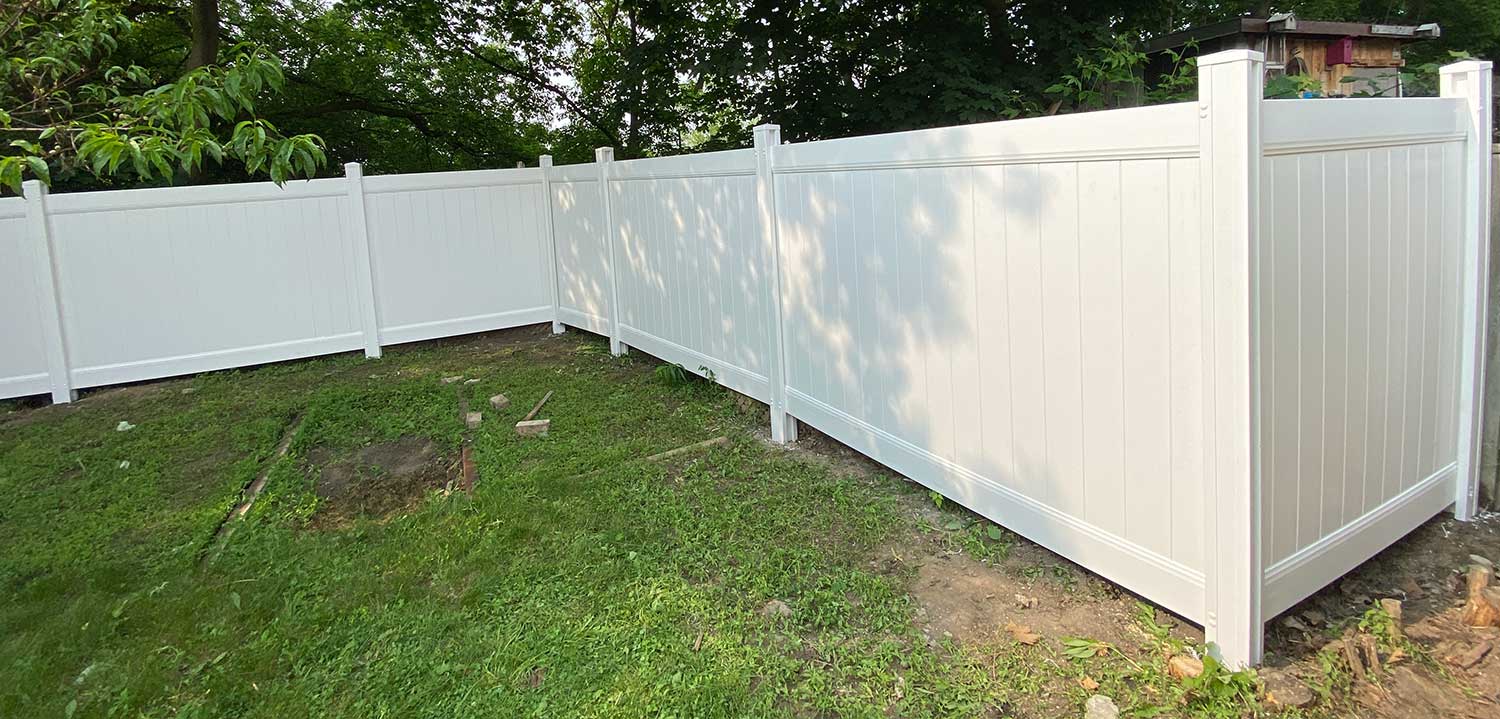
Vinyl fencing delivers a classic, bright appearance that complements rural landscapes. Because vinyl does not absorb moisture, it resists rot and insect damage.
Cleaning vinyl remains simple. Owners spray surfaces with water to remove dirt or debris. Therefore, maintenance stays minimal year after year.
Vinyl also offers flexibility under pressure. Instead of cracking under impact, quality vinyl rails absorb shock and return to shape. Consequently, livestock interactions cause less structural damage.
Benefits of Vinyl:
No painting or staining required
Moisture-resistant material
Smooth surface for animal safety
Bright, attractive finish
Long-term color retention
Although vinyl performs well in many environments, professional installation ensures proper reinforcement inside rails. Internal supports increase strength and prevent sagging over time.
Even the highest-quality materials fail without proper installation. Because of this reality, skilled crews focus on alignment, depth, and spacing.
First, installers assess soil composition. Sandy soil requires different anchoring techniques than dense clay. Therefore, each project begins with site evaluation.
Next, crews measure post spacing carefully. Balanced spacing distributes pressure evenly across rails. As a result, the structure resists leaning and bowing.
Concrete footings often reinforce posts in high-impact areas. Consequently, gates and corners maintain stability even with frequent use.
Every Farm Fence we build follows strict quality standards from layout to final inspection. That consistency ensures reliable performance across all property sizes.
Many property owners seek maintenance-free fencing. While no outdoor product remains completely untouched by time, modern materials dramatically reduce upkeep.
Aluminum never requires sanding or staining. Similarly, vinyl does not peel or chip like painted wood. Therefore, annual maintenance usually involves simple cleaning rather than structural repair.
Additionally, because these materials resist pests and moisture, owners avoid common issues like rot and termite damage. Over decades, this durability translates into significant cost savings.
Long-term durability depends on thoughtful design. For instance, proper drainage around posts prevents water pooling. Consequently, freeze damage decreases.
Installers also account for gate weight and hinge strength. Reinforced hardware prevents sagging. Moreover, high-quality fasteners resist corrosion.
Investing in a premium Farm Fence increases operational efficiency. Instead of scheduling frequent repairs, owners focus on livestock management and land improvements.
Fencing no longer serves purely functional purposes. Today, owners value cohesive property aesthetics.
Color choices allow coordination with barns and outbuildings. Furthermore, post caps and gate designs add architectural character.
Spacing variations also accommodate different livestock types. Smaller spacing suits goats or smaller animals, while wider rails often serve horses effectively.
Because each property differs, customization ensures optimal performance and visual harmony.
Reliable distribution ensures access to quality materials nationwide. At Farm Fence we install in the GTA and ship all over Canada, supporting projects from Ontario to western provinces.
Efficient logistics reduce delays and keep construction timelines on track. Therefore, property owners receive materials quickly and in excellent condition.
Additionally, experienced support teams assist with product selection and layout planning. As a result, customers gain confidence before installation even begins.
Sustainability increasingly influences purchasing decisions. Aluminum remains recyclable, which reduces environmental impact. Vinyl manufacturing also continues to improve efficiency and lifespan.
Because these materials last decades, fewer replacements enter landfills. Consequently, long-term environmental footprint decreases compared to frequently replaced wood fencing.
Durability, therefore, supports both economic and ecological responsibility.
Agricultural fencing also protects equipment, crops, and property boundaries. Clear perimeters deter trespassing and reduce liability concerns.
Moreover, defined borders simplify land management. Neighbors understand property lines, and disputes become less likely.
When fencing integrates gates with secure latching systems, access control improves significantly. As a result, both safety and organization benefit.
Before installation begins, consider these factors:
Property size and terrain
Type of livestock
Desired appearance
Budget parameters
Long-term maintenance expectations
Choosing the right Farm Fence requires balancing these elements strategically. Therefore, consultation with experienced professionals proves invaluable.
Although premium materials may cost more initially, they reduce future expenses. Wood fencing often demands repainting and board replacement. Conversely, aluminum and vinyl systems maintain integrity with minimal intervention.
Over time, reduced labor and material costs offset initial investment. Consequently, long-term value significantly exceeds short-term savings from cheaper alternatives.
Agricultural fencing forms the backbone of property organization and livestock safety. From Horse Fence installations to expansive Ranch Fence systems, durable materials and expert craftsmanship deliver measurable benefits.
A well-installed Farm Fence supports daily operations, enhances property value, and withstands Canada’s demanding climate. Because quality materials resist corrosion and decay, maintenance remains minimal. Furthermore, thoughtful design ensures stability across seasons.
When property owners prioritize durability, safety, and professional installation, they invest in long-term peace of mind. Strong boundaries create secure environments where livestock thrive and operations run smoothly.
Ultimately, fencing represents more than a perimeter. It defines protection, organization, and pride in ownership—cornerstones of every successful agricultural property.
Design plays a powerful role in how effectively your fencing performs. Although materials matter greatly, layout planning determines daily convenience. Therefore, property owners should approach fencing as a complete system rather than isolated sections.
First, divide large properties into functional zones. Separate grazing areas from training paddocks. In addition, position gates where equipment frequently enters or exits. Strategic placement reduces unnecessary wear and saves time during feeding or maintenance routines.
Next, consider traffic flow. Horses often follow predictable movement patterns. Consequently, rounded corners or reinforced corner posts prevent pressure buildup in high-traffic spots. Ranch properties benefit from cross-fencing that allows rotational grazing. As a result, pasture health improves while livestock nutrition remains balanced.
Furthermore, thoughtful layout reduces long-term strain on each Farm Fence section. Balanced load distribution extends structural life and minimizes repair needs.
Gates experience constant movement and pressure. Because of this, they require enhanced reinforcement and durable hardware.
Heavy-duty hinges support weight without sagging. Meanwhile, latch systems must remain easy for humans to operate yet secure against livestock pressure. Horses, especially, tend to test weak closures. Therefore, investing in strong gate construction protects the entire enclosure.
Moreover, double-gate entries simplify equipment access. Tractors, trailers, and feed trucks move in and out without damaging posts. Proper clearance planning prevents accidental collisions and structural stress.
Every Farm Fence installation should treat gates as priority components rather than afterthoughts.
Canada presents unique environmental challenges. Freezing temperatures, snow loads, spring thaw, and intense summer sun all affect outdoor structures. However, modern fencing materials address these extremes directly.
Aluminum resists corrosion even in areas exposed to road salt or coastal moisture. Vinyl remains stable under UV exposure, preventing fading or brittleness. Because both materials tolerate temperature shifts, cracking and warping rarely occur.
Additionally, frost heave can disrupt poorly installed posts. Professional crews set posts below frost lines to maintain alignment year after year. As a result, the structure remains level despite seasonal ground movement.
Choosing a durable Farm Fence ensures year-round performance without constant adjustments.
Animal safety demands careful material and spacing selection. Horses, for example, require smooth rails and visible boundaries. Unlike wire fencing, rail systems reduce entanglement risk.
Rounded edges prevent cuts. Furthermore, consistent rail spacing discourages animals from attempting to push through openings. In breeding or boarding facilities, safety becomes even more critical. Therefore, Equine Fence installations often include reinforced corners and secure foaling paddocks.
Cattle and other livestock also benefit from strong barriers. Ranch Fence systems typically feature sturdy posts designed to withstand leaning or rubbing. Consequently, containment remains reliable even in large herds.
A properly installed Farm Fence supports animal well-being while simplifying management tasks.
Rural properties increasingly prioritize appearance alongside performance. Fortunately, modern fencing blends visual elegance with structural durability.
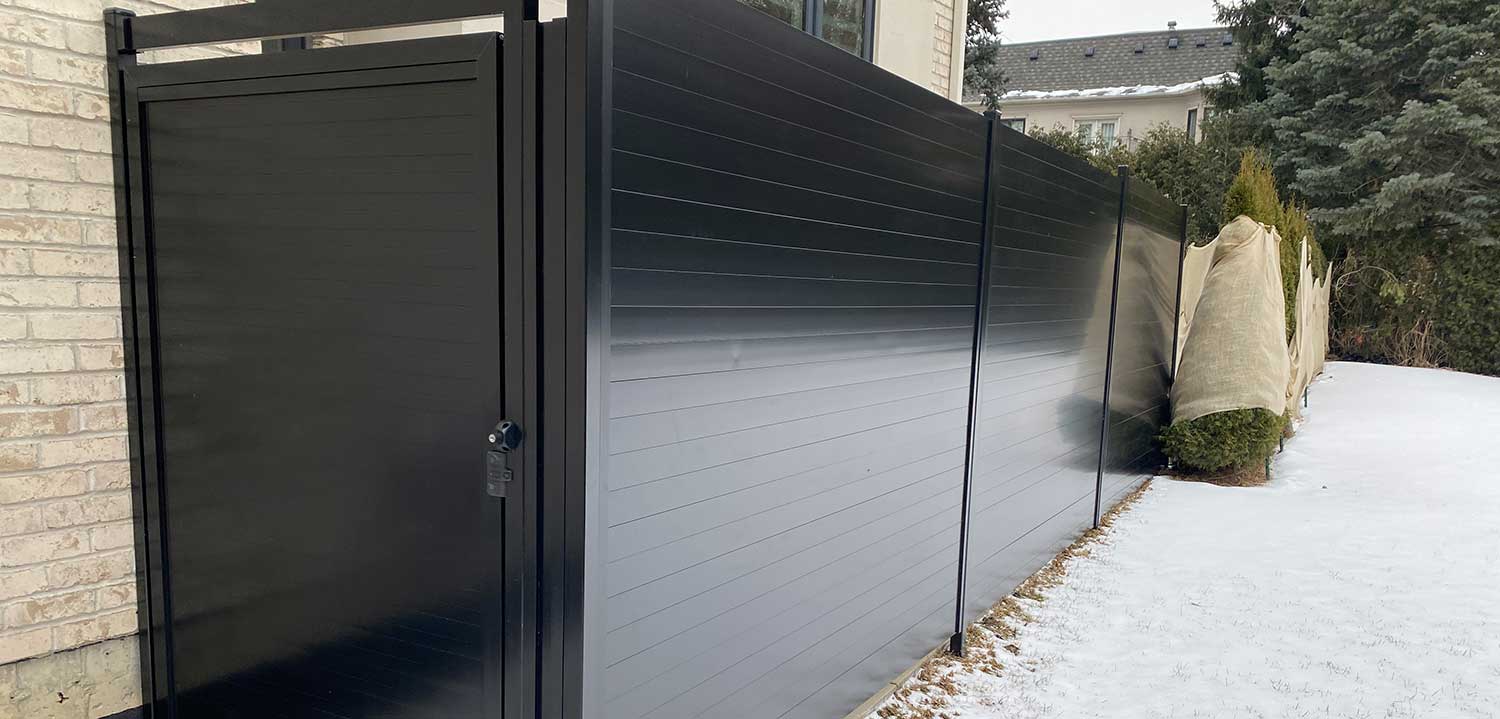
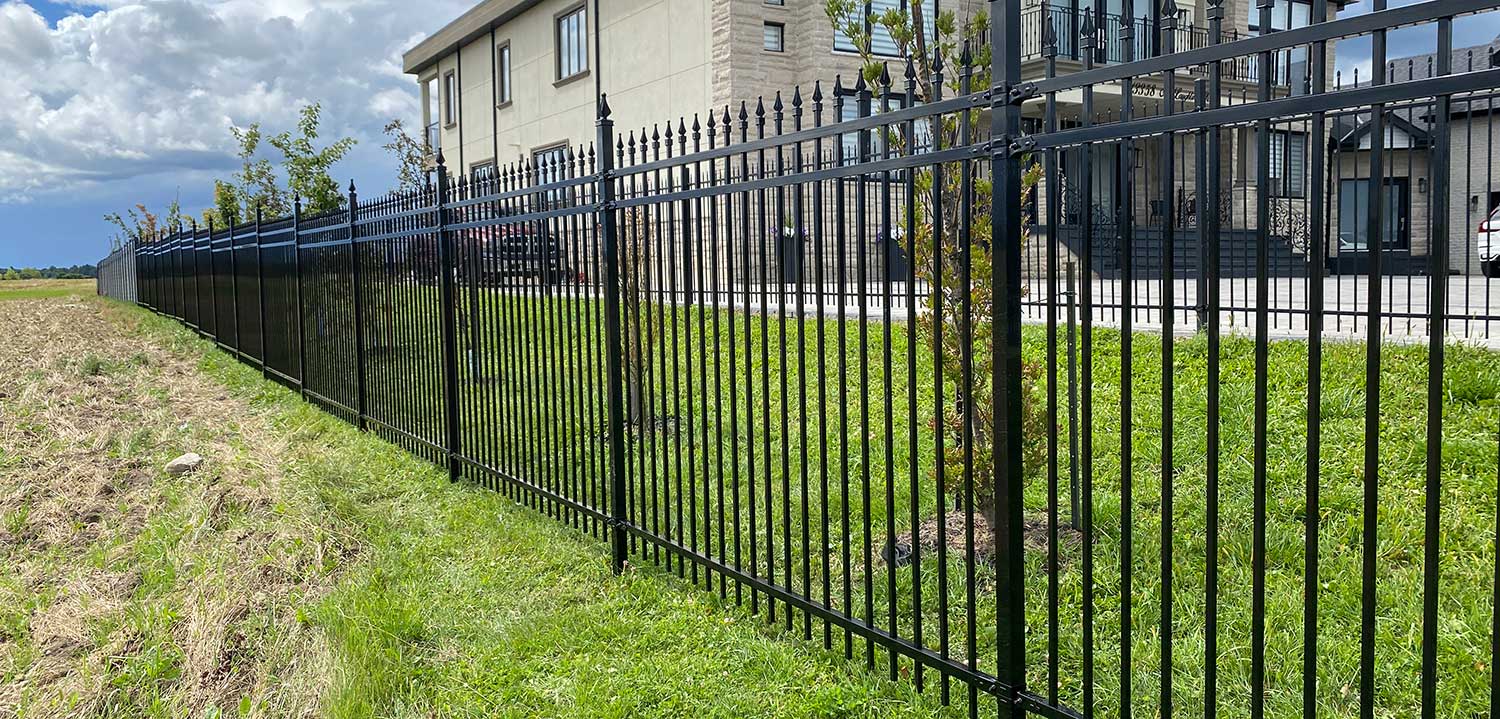
Aluminum fencing offers sleek lines and customizable colors. Black remains a popular choice because it frames landscapes without obstructing views. On the other hand, white vinyl delivers a timeless agricultural look that enhances curb appeal.
Additionally, decorative post caps and matching gates create cohesive design themes. While functionality leads the decision process, aesthetics elevate the property’s overall presence.
A thoughtfully designed Farm Fence adds character while maintaining full operational strength.
Large-scale agricultural businesses demand fencing solutions that scale efficiently. Because these properties often span multiple acres, consistency and durability become essential.
Bulk material shipping ensures cost-effective coverage. At Farm Fence we install in the GTA and ship all over Canada, supporting both small farms and extensive ranch operations. Coordinated logistics reduce downtime and keep expansion projects on schedule.
Moreover, commercial installations require strict attention to spacing accuracy. Long fence runs must maintain alignment across varied terrain. Skilled installers use professional leveling tools to preserve straight lines and structural balance.
As operations grow, a dependable Farm Fence supports expansion without compromising quality.
Both Aluminum Farm Fence and Vinyl Farm Fence systems offer exceptional performance. However, choosing between them depends on priorities.
If maximum strength and sleek modern appearance top your list, aluminum often leads. It handles high-pressure areas effectively. Additionally, powder-coated finishes maintain color integrity for decades.
Conversely, vinyl excels in low-maintenance living. Its bright surface resists moisture and never requires repainting. Because vinyl absorbs moderate impact, it works well in equine environments where contact occurs frequently.
Some property owners even combine materials. For instance, aluminum may define the perimeter, while vinyl frames paddocks. This blended approach optimizes both performance and visual style.
Selecting the right Farm Fence material ensures satisfaction for years to come.
Although aluminum and vinyl systems remain largely maintenance-free, simple practices enhance longevity.
Rinse fencing annually to remove dirt buildup.
Inspect gates and hinges periodically for alignment.
Clear vegetation growing directly against rails.
Tighten hardware if needed after extreme weather.
These small steps prevent minor issues from escalating. Because proactive care protects structural integrity, owners avoid costly repairs.
Fortunately, modern materials eliminate sanding, staining, and rust treatment. Therefore, time and labor savings accumulate significantly over the years.
Beyond livestock containment, fencing strengthens property security. Defined boundaries discourage trespassing and clarify land ownership.
In addition, secure fencing reduces liability risks. Escaped animals can cause road hazards or property damage. Consequently, investing in a strong Farm Fence protects both animals and owners legally.
Clearly marked perimeters also improve neighbor relations. When property lines remain visible, misunderstandings decrease.
Security, therefore, becomes an added advantage of professional agricultural fencing.
Every project begins with consultation and site assessment. Installers measure property lines, evaluate soil conditions, and discuss layout goals. After planning concludes, materials are prepared for delivery.
Installation time varies depending on acreage and terrain. Smaller properties may complete within days, while expansive ranch installations require longer scheduling. However, efficient crews maintain steady progress without sacrificing quality.
Because experienced teams handle each step carefully, disruption to daily farm routines stays minimal.
Choosing a reputable provider for your Farm Fence ensures a smooth process from start to finish.
Agricultural needs evolve. Livestock numbers may increase, and land use might shift. Therefore, fencing should accommodate future changes.
Modular systems allow easy expansion. Additional sections integrate seamlessly with existing structures. Consequently, property owners maintain design consistency while adapting to growth.
Durable materials also protect against premature replacement. Instead of rebuilding every decade, owners rely on long-term structural stability.
A well-planned Farm Fence stands as a forward-thinking investment rather than a temporary solution.
While some property owners attempt DIY fencing, professional installation consistently delivers superior outcomes. Proper post depth, spacing accuracy, and hardware selection require experience.
Moreover, professionals anticipate challenges such as uneven terrain or drainage concerns. Addressing these factors during installation prevents complications later.
Every Farm Fence project benefits from skilled craftsmanship. Precision today prevents repairs tomorrow.
A premium fencing system transforms agricultural properties. From Horse Fence layouts to large-scale Ranch Fence installations, quality materials ensure dependable containment and visual appeal.
Aluminum Farm Fence provides unmatched durability with minimal maintenance. Vinyl Farm Fence offers bright aesthetics and long-term resilience. Both options deliver maintenance-free advantages that reduce workload and protect investment.
At Farm Fence we install in the GTA and ship all over Canada, helping property owners secure land with confidence. Because expert design and professional installation guide every project, customers receive fencing built to endure Canadian climates and daily agricultural demands.
Ultimately, a well-constructed Farm Fence creates more than a boundary. It builds safety, supports efficiency, enhances property value, and delivers peace of mind for decades to come.